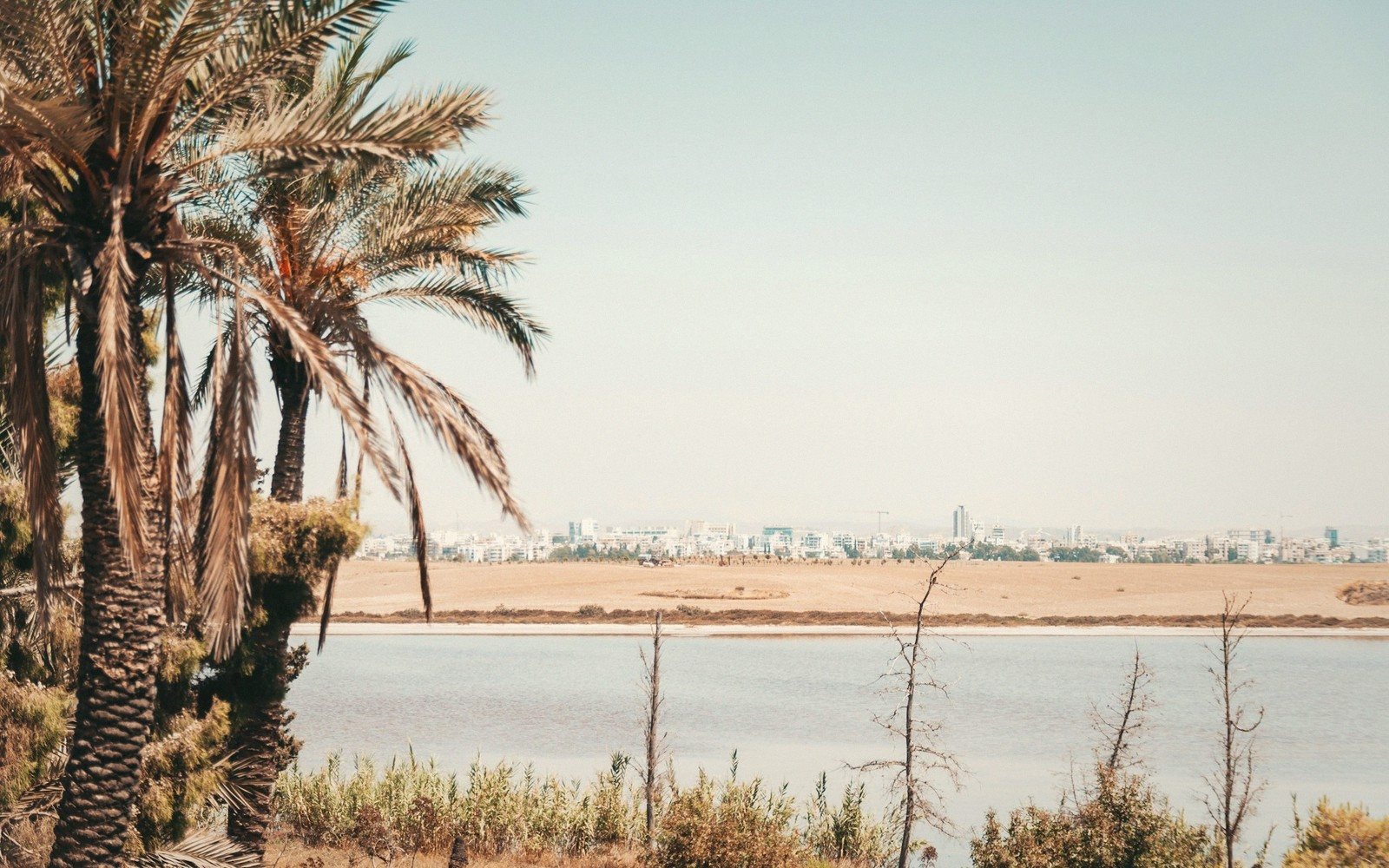
An oasis 50 kilometres from the Libyan border, speaking a Berber language Egypt barely knows
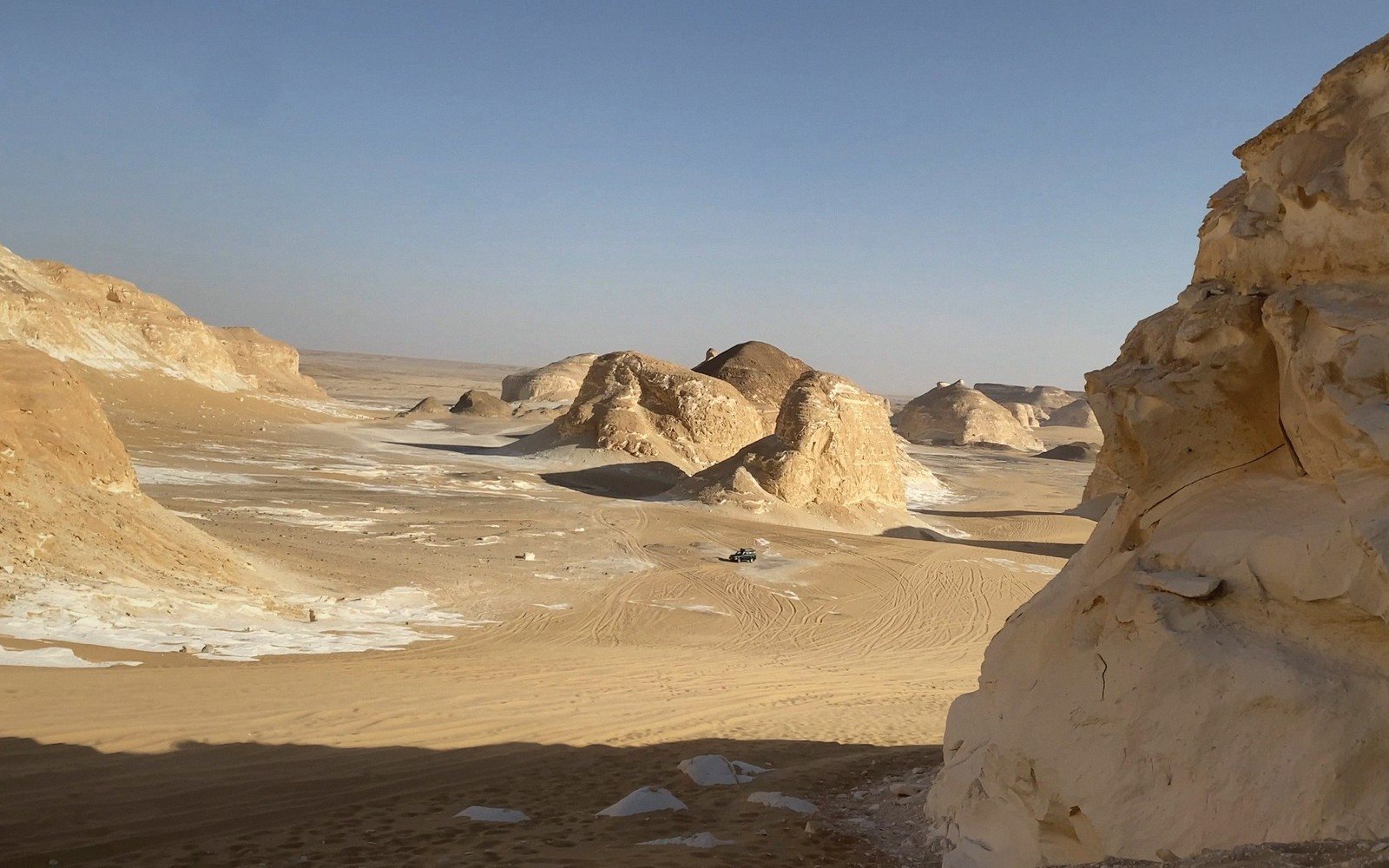
Siwa sits in a natural depression in the Western Desert, roughly 300 kilometres south of the Mediterranean coast and close enough to Libya that the border feels less like a boundary than an afterthought. The depression holds salt lakes — Birket Siwa and Birket Zeitoun among them — that give the landscape a bleached, mineral quality entirely unlike the sandstone country further east.1
The oasis has been inhabited for millennia, but its inhabitants were never quite Egyptian. The Siwans speak Siwi, a Berber language related to dialects found across North Africa from Morocco to the Saharan interior. Arabic is understood; Siwi is the language of the market. That linguistic fact alone marks Siwa as somewhere apart.
The old town is dominated by Shali, a fortress of kershef — mud brick made with salt — that rises from a natural rock outcrop above the gardens. Kershef is a brilliant vernacular material in a rainless climate: dense, cheap and locally abundant. The catch is that rain dissolves it, and the violent storm of 1926 effectively ended Shali as a living settlement. What remains is a picturesque ruin rather than a working town, but its scale tells you how substantial the original was.2
The old town is dominated by Shali, a fortress of kershef — mud brick made with salt — that rises from a natural rock outcrop above the gardens.
Alexander the Great visited in the fourth century BCE, making the long desert crossing to consult the oracle of Amun at the Temple of the Oracle — a sanctuary still traceable in the ruins at Aghurmi. What the oracle told him remained famously private.
Dates and olives are the agricultural foundation; the groves that fill the depression are the reason Siwa exists at all.
Chronology
- Fourth century BCEAlexander the Great visits the oracle of Amun at Aghurmi
- 1926rainstorm destroys much of Shali, ending it as a living settlement
Named in this guide
Siwa Oasis
remote Berber-speaking oasis in Egypt's Western Desert, near the Libyan border
Shali
ruined kershef fortress above the old Siwan settlement
Birket Siwa
the largest of Siwa's salt lakes
Aghurmi
village site within the oasis where the ancient Temple of the Oracle stands