Cairo's three great collections divide the treasure between them — know which house holds what before you arrive.
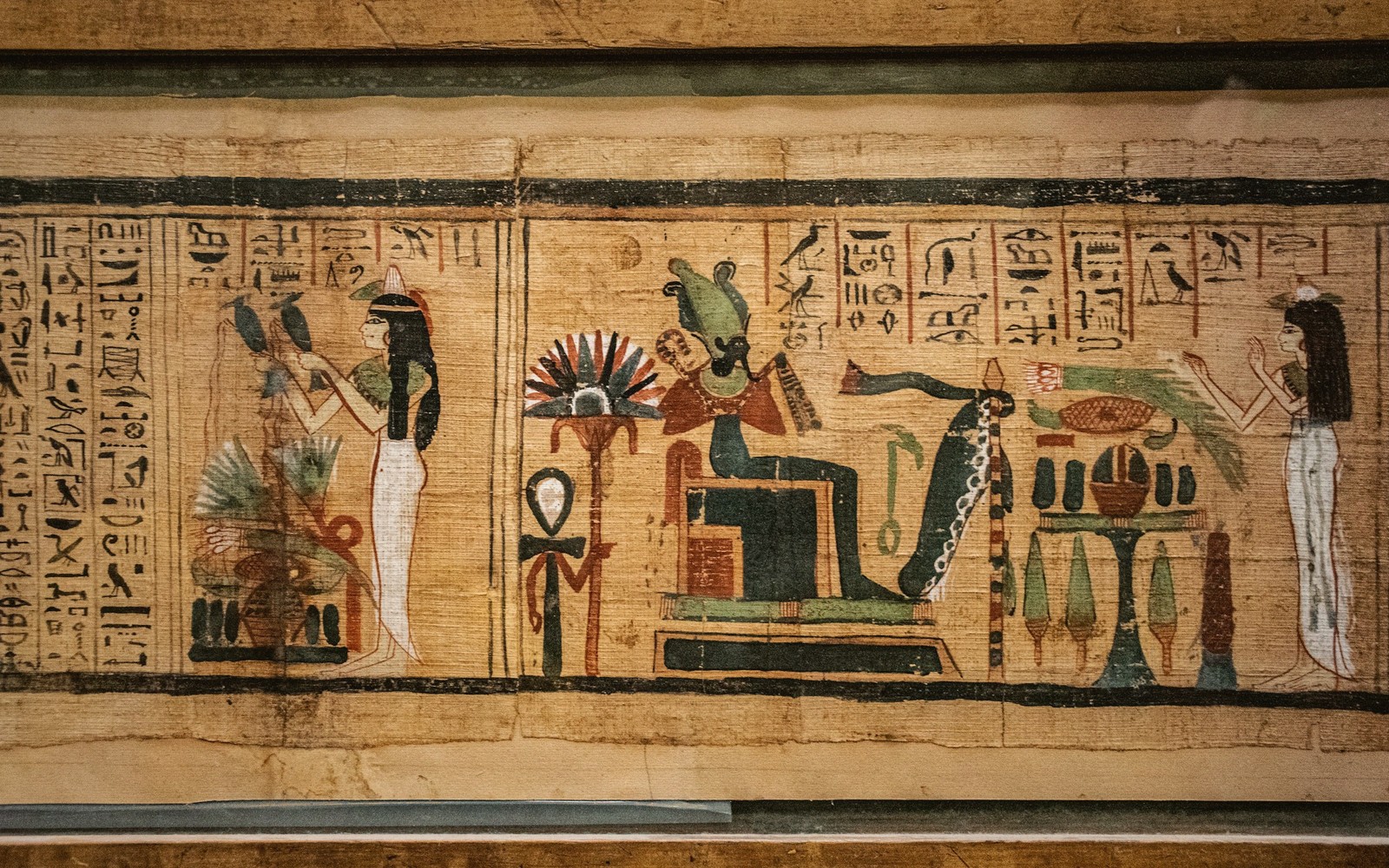
The Egyptian Museum on Tahrir Square opened in 1902 and remains the most densely loaded building in the country. Its two floors hold more than 100,000 objects — pharaonic sculpture, papyri, jewellery, coffins and canopic equipment from every period of ancient history. The ground floor runs more or less chronologically, Old Kingdom pieces weighted toward the western side, the New Kingdom rooms filling the east. The upper floor is where the density becomes overwhelming: gallery after gallery of funerary equipment, painted wooden coffins stacked against walls, shabtis by the thousands. The rooms devoted to Tutankhamun occupy a substantial stretch of the northeast corner and hold the gold mask, the nested coffins, the thrones and the jewellery that came out of his tomb in the Valley of the Kings in 1922. Nothing else in Cairo prepares you for the scale of that single burial.
The Grand Egyptian Museum, which sits on the Giza Plateau, has been receiving collections for years and is now the destination for the Tutankhamun material in its entirety — the full contents of KV62, displayed together as a coherent assemblage for the first time since Howard Carter unpacked them. The GEM is immense: the entrance atrium alone houses a standing statue of Ramesses II at full height. This is the right place to see large-scale royal sculpture and to understand the Pharaonic state in its pomp, though the Tahrir building retains pieces that have not yet transferred.1
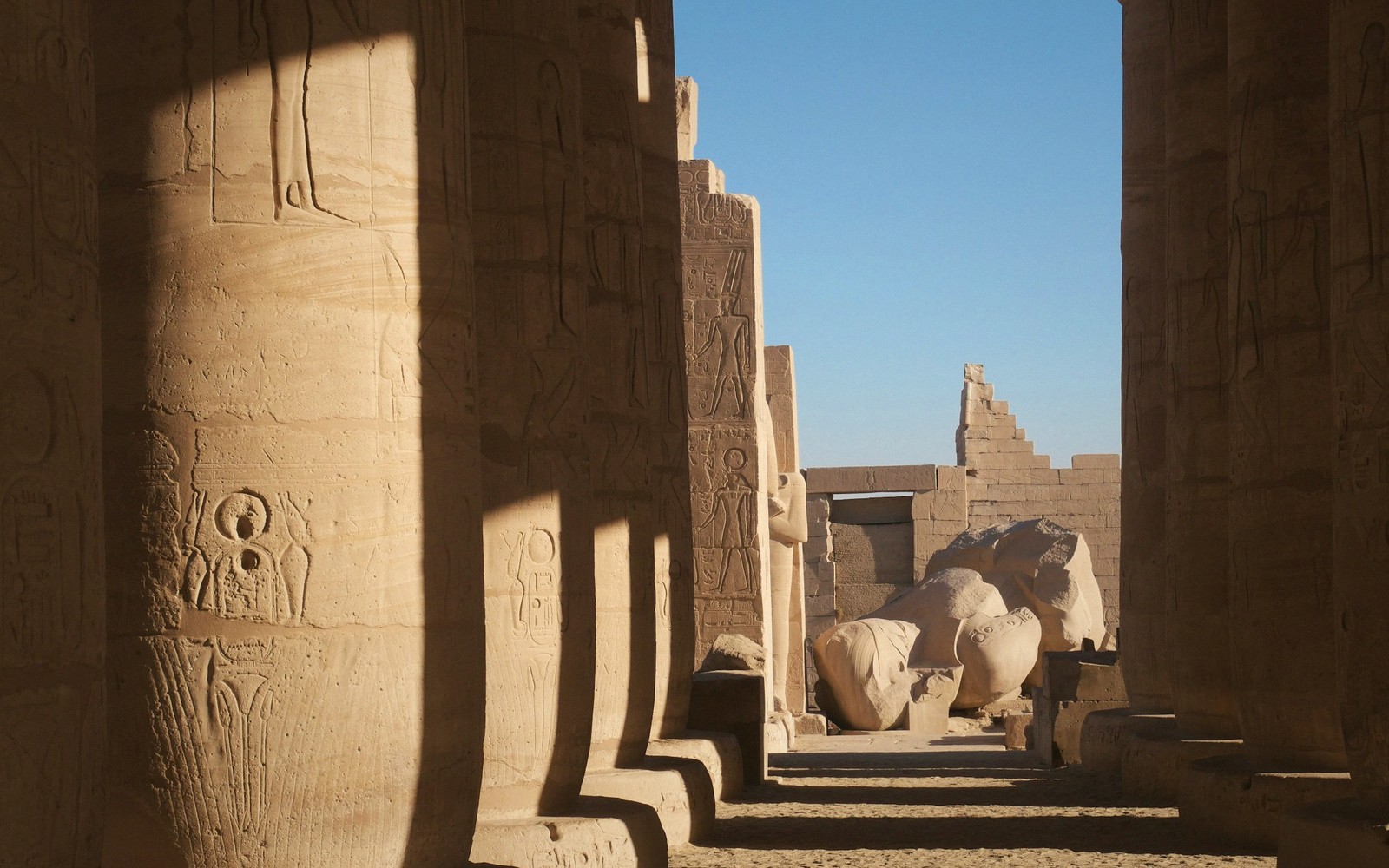
The Museum of Islamic Art, on Bab al-Khalq Square, is the third of the trio and operates on a different axis entirely. Its collections run from the early Islamic centuries through the Ottoman period, covering woodwork, ceramics, glass, metalwork, textiles and manuscript art drawn from across the Islamic world and concentrated heavily on Egypt. For visitors moving between Cairo's Islamic Quarter and the ancient sites, it provides an essential bridge — without it, a thousand years of the city's material culture can feel invisible.
01How to See Without Exhausting Yourself
The practical reality of the Egyptian Museum is that it cannot be done in one visit, and attempting a full survey produces diminishing returns after roughly two hours. The better approach is to choose a period or a theme before you walk in. If your interest is the Old Kingdom, the Khafre statue, the Menkaure triads and the wooden panel portrait of Hesy-Ra form a coherent sequence in the ground-floor rooms without requiring a complete circuit. If you are there for the New Kingdom, the royal mummies, now at the National Museum of Egyptian Civilisation in Fustat, are the actual bodies of Ramesses II, Seti I and several other rulers, displayed in conditions that make identification possible; faces are visible. The Amarna room, also upstairs, groups the strange, elongated sculpture from the reign of Akhenaten and rewards slow looking. Pick one of these threads and follow it; the rest will be there on a second visit.2
The practical reality of the Egyptian Museum is that it cannot be done in one visit, and attempting a full survey produces diminishing returns after roughly two hours.
At the Grand Egyptian Museum, scale is the main challenge. The building is genuinely large and the sequence leading from the atrium to the Tutankhamun galleries involves considerable walking. Wear comfortable shoes, and budget half a day minimum. The Tutankhamun galleries are the destination for most visitors and are worth whatever the queue costs: the objects are displayed with enough space to actually read them, and the context provided by having everything from one tomb in one room finally makes clear what was buried with this particular king and why. Elsewhere in the GEM, the galleries of royal statuary and the reconstructed sections from Karnak and other temple sites reward anyone with an interest in how large monuments were originally coloured and assembled.
| Egyptian Museum, Tahrir | Grand Egyptian Museum | |
|---|---|---|
| Building | The 1902 classical galleries | New museum on the Giza plateau |
| Character | Dense, historic, over a hundred thousand objects | Spacious, staged, purpose-built |
| Tutankhamun | Long the home of the assemblage | Now holds the complete burial |
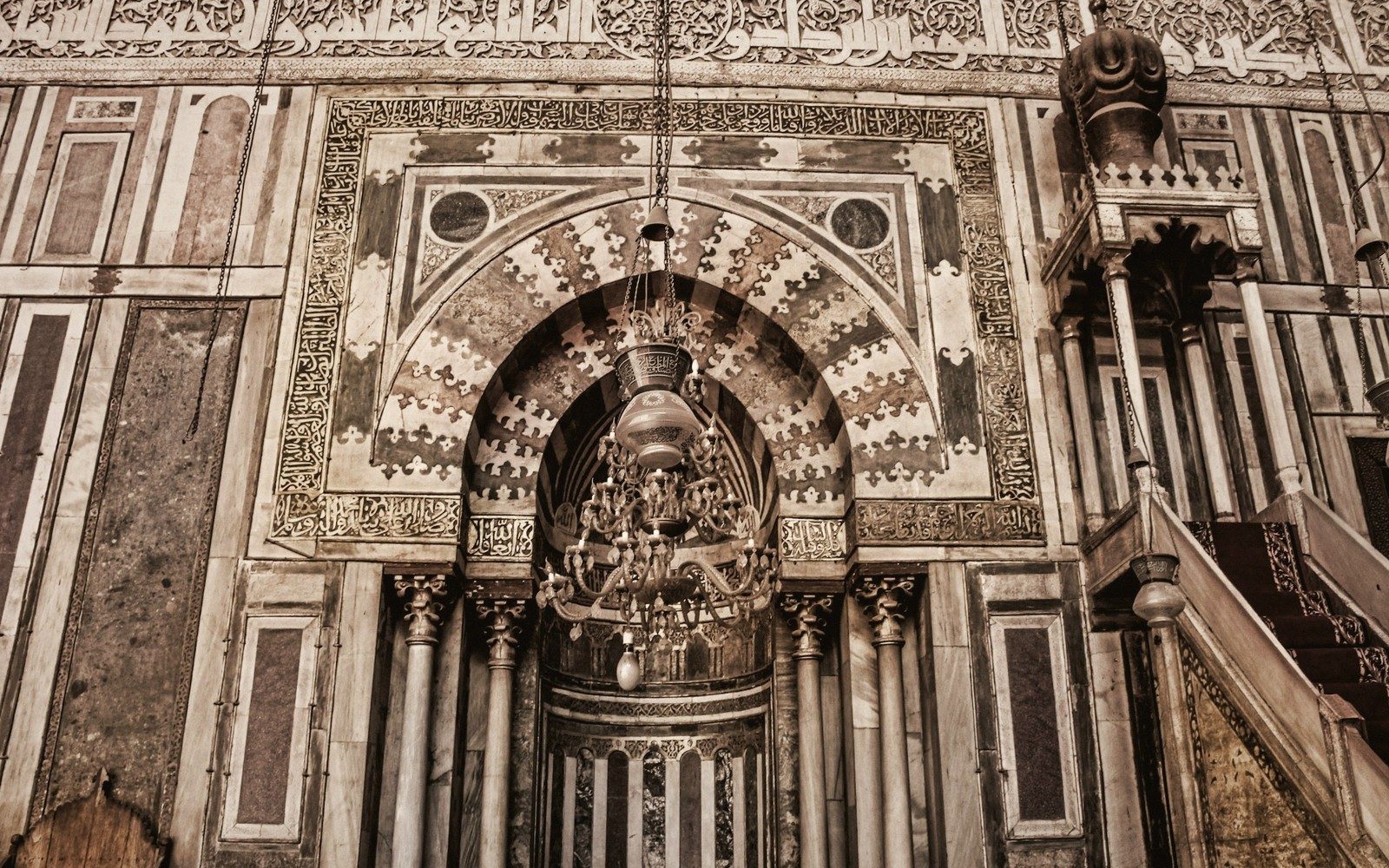
The Museum of Islamic Art is smaller and calmer than either of its rivals. An hour and a half is enough for a good visit; two hours is leisurely. The carved wooden minbar sections, the Mamluk-period metalwork inlaid with silver, and the medieval glass lamps from mosque interiors are the highlights. The building itself, restored and well-lit, makes looking easy.
A final logistical note: the three museums are not close to each other on foot. The Egyptian Museum and the GEM require separate trips entirely — Tahrir is in the centre of the city, the GEM is out near the plateau. The Museum of Islamic Art sits in the old city and pairs naturally with a walking day in the medieval quarters. Plan accordingly, eat before you go in, and resist the souvenir shops on the way out until you have actually seen what you came to see.
Named in this guide
Egyptian Museum, Tahrir Square
the 1902 classical building; Egypt's original national collection
Grand Egyptian Museum (GEM)
vast new museum at the Giza Plateau; now houses the complete Tutankhamun assemblage
Museum of Islamic Art, Bab al-Khalq
leading collection of Islamic decorative arts, Cairo
Tutankhamun
New Kingdom pharaoh, 18th Dynasty; his tomb contents are the world's best-preserved royal burial